TruVivo® 2D+ Hepatic System
Conduct long-term, in vitro studies under conditions that mimic the physiology of the human liver and improve in vitro to in vivo translation.
A flexible, easy-to-use in vitro hepatic system that maintains structural integrity and biological function for more than two weeks
Predicting therapeutic safety and efficacy is an important part of preclinical drug development, but many of the current preclinical models either lack phenotypic stability and longevity, fail to mimic human hepatic functionality, or are too complex and time-consuming to use for routine screening and imaging applications. LifeNet Health® LifeSciences has developed TruVivo, a novel, easy-to-use 2D+ hepatic system for 384-, 96-, and 24-well formats to help address these challenges.
Researchers can use TruVivo in-house using our convenient kits or can request services using TruVivo, performed by our assay services team.
.png&w=3840&q=100)
Benefits
- Simplicity and flexibility of a 2D model with high-throughput compatibility
- Biological complexity and performance of a 3D model
- Stable drug metabolic capacity (phase I and II)
- Native intra- and inter-cellular communications and phenotypes maintained
- Enables prolonged exposures, or re-exposures, to test articles through extended culture periods
- Customizable media supplementation to account for species-specific differences in metabolism and compound effects
Specifications
- Stable morphology and basic functionality for at least 2 weeks
- Verified hepatocyte lot selection and performance
- Guaranteed consistent hepatocyte attachment and confluency throughout the entire culture period
- Albumin secretion 26–105 µg/day/106 hepatocytes on days 7–14
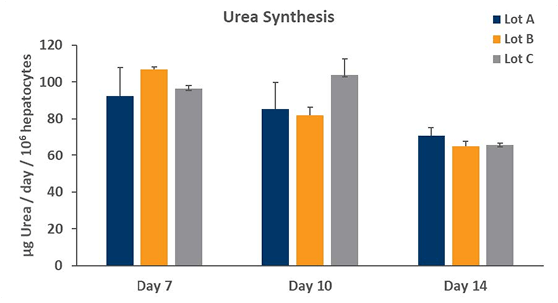
- Urea secretion 39-159 µg/day/106 hepatocytes on days 7-14
An In Vitro Hepatic System That Mimics the Microarchitecture and Functionality of the Human Liver
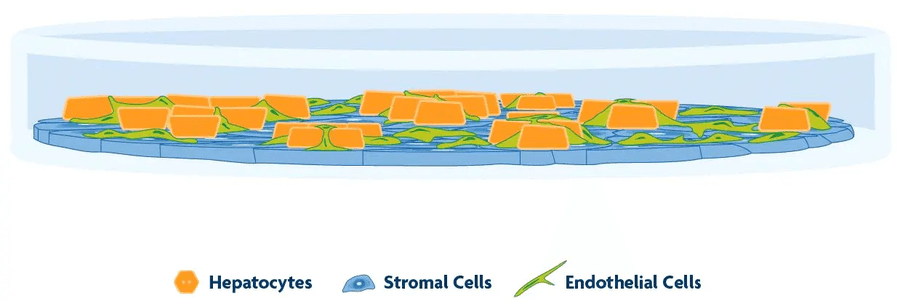
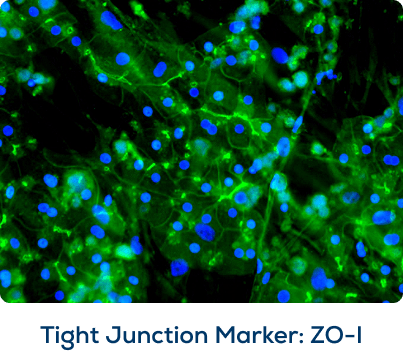
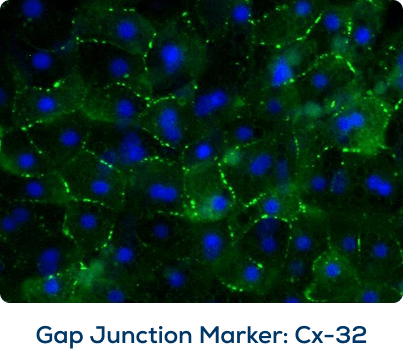
TruVivo recapitulates key structural and functional hallmarks of the human liver through the self-assembly of primary hepatocytes into multicellular colonies integrated within a supportive stromal and endothelial network. This architecture enables native cell–cell connectivity—including tight and gap junctions and anastomosing bile canalicular networks—while sustaining long-term phenotypic stability, enzyme activity, and nuclear receptor signaling for at least two weeks. Together, these features provide a physiologically relevant in vitro environment that supports more reliable assessment of hepatic function and response over extended study durations.
Assess clearance of metabolically stable compounds, enzyme-induced drug-drug interactions involving non-CYP3A pathways (CYP2Cs, UGTs, P-gp), thryoid hormone metabolism and more with TruVivo.
Delivering greater physiological relevance than alternative liver models
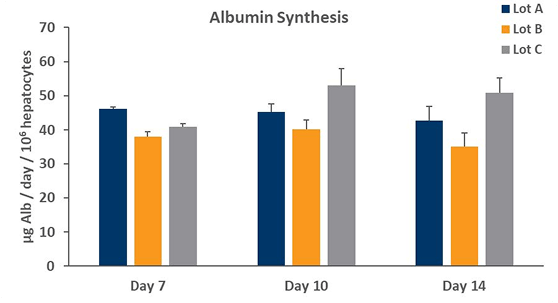
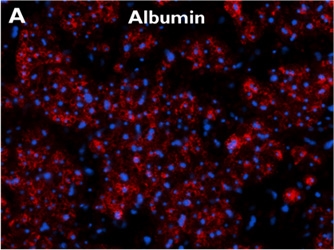
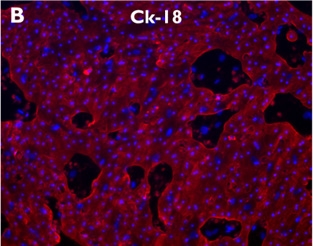
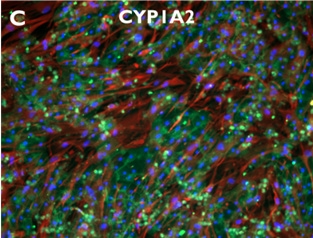
Convenient kits enable researchers to conduct experiments in homologous human and rat liver models in their own labs, with minimal training for users with basic cell culture skills. The system can be adapted to meet your assay needs, including number of cells per well, dosing intervals, and more while delivering consistent results between users and experiments.
TruVivo® 2D+ Hepatic System
The TruVivo kit provides a complete, ready-to-use solution for extended cell culture, including prequalified cryopreserved primary human hepatocytes, primary human feeder cells, and optimized media to support at least two weeks in culture. It is available in 24-well and 96-well formats, with options for full kits or negative control kits.
TruVivo ships same- or next-day to most global locations, with cells transported in the vapor phase of liquid nitrogen and media shipped on dry ice or cold packs.
In vitro assay services utilizing TruVivo

.png&w=3840&q=100)
.png&w=3840&q=100)
.png&w=3840&q=100)
Our knowledgeable team can customize thyroid microtissue testing services to fit your research goals. Speak with one of our scientists to discuss your project.
Find answers to our most frequently asked questions about TruVivo.
Find answers to our most frequently asked questions below
TruVivo is an ideal platform for applications that require prolonged or repeated compound exposures, including the clearance of low-turnover compounds. Validation work by pharmaceutical partner, Boehringer Ingelheim, has demonstrated the potential for TruVivo to predict in vivo clearance.
To view their poster, click here.
The feeder cells are not liver-derived but are a mixture of primary human stromal and endothelial cells.
For each format, 24- and 96-well, the ratio of feeder cells to hepatocytes has been optimized to achieve human-relevant hepatocyte morphology and functionality. Optimal seeding densities for hepatocytes and feeder cells are provided.
The feeder cells have been growth-arrested to minimize cell expansion.
The total number of attached hepatocytes per well is lot-dependent. Based on initial seeding density, expect greater than or equal to 50% attachment. The calculated hepatocyte cell number per well for each lot is provided for data normalization.
For more information about how we calculate this value, click here.
Kits include enough media to accommodate daily medium changes for two weeks − however, the frequency of medium changes can be adapted to meet specific assay needs. For most culture work, it is recommended to change at least every two to three days. For applications that require prolonged compound exposures, plates can go up to seven days without changing the medium.
Typically, by day five, cell morphology and functionality have stabilized, and cells are ready for compound treatment. This can be extended to seven days if needed for workflow convenience.
Resources
The morphology, functionality, and longevity of a novel all human hepatic cell-based tri-culture system
Application Brief: TruVivo® for Metabolic Stability